The United Kingdom remains a top destination for international students, combining world-class education with vibrant…
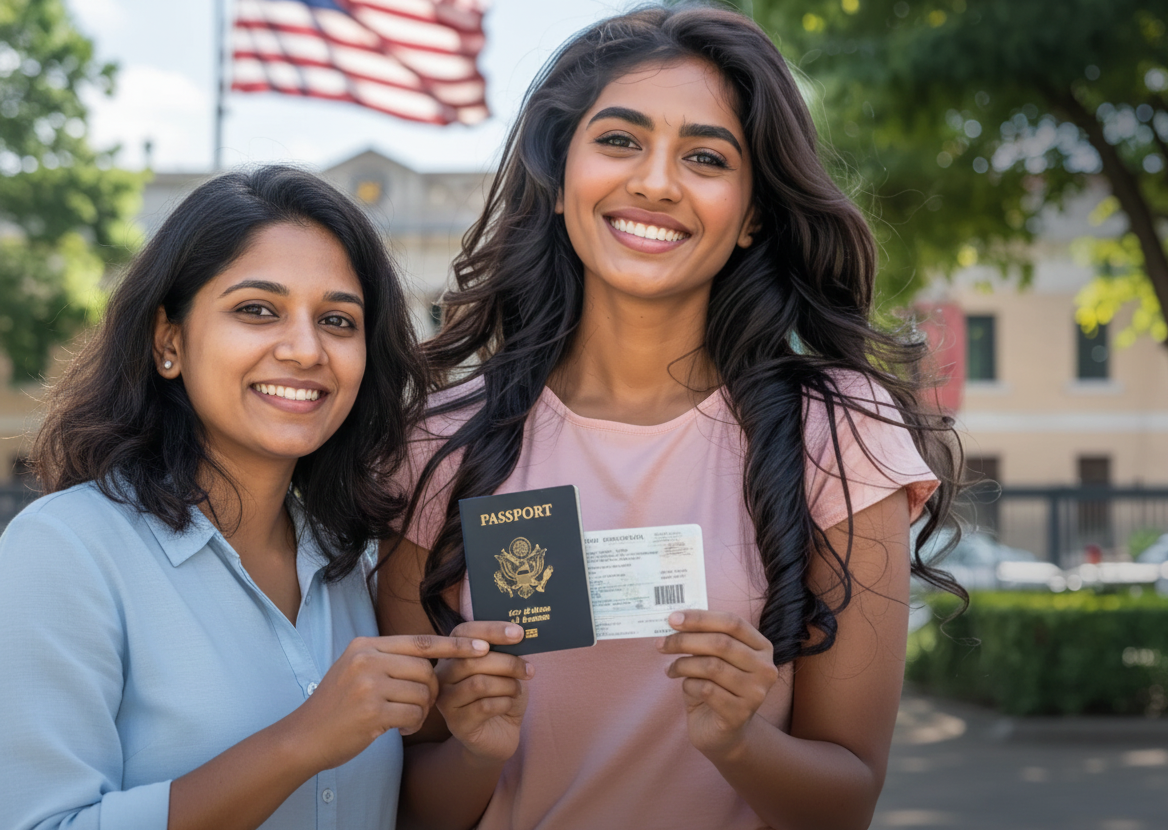
USA Sees Sharp Rise in F-1 Visa Approvals for South Asian STEM Students in 2025
The rise in F-1 visa approvals for South Asian STEM students in 2025 has become a major opportunity for international students planning to study in the USA. With increasing demand for skilled professionals in fields like artificial intelligence, data science, and engineering, U.S. visa approval trends are showing positive growth. This guide explains F-1 visa approval trends, reasons behind the increase, and how students can improve their chances in 2025.
Students can also read our detailed guide on latest student visa rule changes to understand global trends.
F-1 Visa Approval Trends (2023–2025)
- Increase in STEM visa approvals across South Asia
- Higher approval rates for Master’s level programs
- Reduced visa backlog compared to previous years
- Improved interview slot availability
Why the U.S. Is Actively Supporting STEM Students
The U.S. economy is facing a persistent skills gap in advanced technology and engineering sectors. Domestic supply alone has not been sufficient to meet demand, leading policymakers and institutions to place greater emphasis on attracting international students with strong technical backgrounds.
STEM graduates not only strengthen academic research but also contribute to innovation, startups, and critical industries such as healthcare, clean energy, and national cybersecurity. Learn more on the official STEM education portal.
Who Is Benefiting the Most from Higher Approval Rates?
Indian STEM Applicants
Indian students continue to see the highest approval momentum, particularly in:
- Master’s in Computer Science
- Data Science and Artificial Intelligence
- Software Engineering and Cloud Computing
India’s strong academic preparation and work-aligned programs have made applicants highly competitive. Check EducationUSA for U.S. study guidance.
Pakistani and Bangladeshi Engineering Graduates
Engineering graduates from Pakistan and Bangladesh are witnessing improved outcomes, especially in:
- Electrical and Mechanical Engineering
- IT Systems and Networking
- Applied Technology programs
Clear academic progression and realistic career plans have played a major role.
Students from Nepal and Sri Lanka
Nepalese and Sri Lankan students enrolled in technology-focused master’s programs are also benefiting from:
- Smaller but targeted applicant pools
- Strong academic consistency
- Clear intent to pursue specialized STEM careers
If you’re planning your career, check our guide on why the USA is still a top study destination
Key Reasons Behind the Rising F-1 Approval Rates
1. U.S. Talent Shortages in Critical Fields
Industries such as AI, cloud computing, cybersecurity, quantum technologies, and advanced manufacturing are facing long-term workforce shortages. International STEM students help bridge this gap. Visit National Science Foundation for data.
2. Strong University–Industry Partnerships
Many U.S. universities now collaborate closely with:
- Tech companies
- Research labs
- Healthcare institutions
These partnerships improve employability outcomes, making STEM programs more attractive and credible during visa assessments.
3. Expansion of STEM-OPT Eligible Programs
The U.S. government has expanded the list of STEM-designated degree programs, allowing graduates to stay and work for up to 36 months under STEM-OPT. More details: USCIS STEM OPT guide.
4. Improved Consular Capacity in South Asia
U.S. consulates across South Asia have increased:
- Interview slots
- Processing efficiency
- Staff capacity
This has reduced backlogs and improved consistency in decision-making.
Top STEM Fields with High Visa Approval Rates
| Field | Approval Trend | Demand Level |
|---|---|---|
| Computer Science | Very High | High |
| Data Science & AI | Very High | Very High |
| Cybersecurity | High | Very High |
| Engineering | High | High |
STEM Programs Driving the Highest F-1 Approvals
F-1 visa approval rates are strongest for students admitted to the following fields:
✔ Computer Science and Software Engineering
Including AI, machine learning, and cloud-based systems.
✔ Data Analytics and Artificial Intelligence
Programs focused on big data, predictive modeling, and intelligent systems.
✔ Mechanical and Electrical Engineering
Especially in automation, robotics, renewable energy, and advanced manufacturing.
✔ Cybersecurity and IT Systems
With growing global emphasis on data protection and infrastructure security.
✔ Healthcare and Biomedical Sciences
Including bioinformatics, medical technology, and health data analytics.
Non-STEM programs remain competitive, but approval outcomes vary depending on the consulate, academic profile, and clarity of intent.
What This Means for Students Applying in 2025
The increase in approvals brings several advantages for upcoming applicants:
✔ Higher Confidence During Visa Interviews
A strong STEM profile aligned with industry demand improves approval probability.
✔ Shorter Processing Times
Improved consular capacity reduces delays and uncertainty.
✔ Stronger Post-Study Career Prospects
STEM-OPT provides up to three years of U.S. work authorization, offering real-world experience and financial stability.
✔ Clearer Long-Term Academic Pathways
Students with well-defined goals face fewer credibility concerns during interviews.
How to Increase Your F-1 Visa Approval Chances
- Choose a program aligned with your academic background
- Prepare a clear and realistic Statement of Purpose
- Show strong financial proof
- Practice visa interview questions
Common Mistakes Students Should Avoid
Despite improved approval trends, rejections still occur due to:
- Weak explanation of career goals
- Mismatch between past education and chosen program
- Unclear funding sources
- Overemphasis on immigration rather than education
StudentOrbit360 Advice for F-1 Visa Success
To maximize approval chances, students should present a clear linkage between:
- Career Goals – What problem you want to solve or skills you aim to gain
- Program Selection – Why this specific STEM program fits your background
- University Choice – Why the institution is suitable academically and professionally
- Financial Planning – Transparent and realistic funding sources
Read Our Other Helpful Guides
- Why the USA Remains the Top Destination for International Students in 2025
- How to Apply for a Work Permit After Completing Your Course in the UK (2025)
- Post-Study Work Opportunities in Germany for International Students (2025)
- Student Visa Rule Changes in 2025: What You Need to Know
Frequently Asked Questions (FAQs)
1. Is F-1 visa approval rate increasing in 2025?
Yes, especially for STEM programs due to high demand in the U.S. job market.
2. Which students have the highest chances of F-1 approval?
Students with strong academic backgrounds, clear career goals, and STEM program alignment.
3. Does choosing STEM improve visa chances?
Yes, STEM programs have better approval trends due to workforce demand.
4. How important is the visa interview?
Very important. Clear intent and confidence play a major role in approval.
Final Thoughts
Overall, the increase in F-1 visa approvals for STEM students in 2025 highlights a strong opportunity for international applicants. With better approval trends, improved processing capacity, and high demand for technical skills, students who prepare strategically can significantly improve their chances of studying and working in the United States. This makes 2025 one of the most favorable years for STEM aspirants planning to apply for an F-1 visa.
Related Posts


Comments (0)