
The United Kingdom remains a top destination for international students, combining world-class education with vibrant…
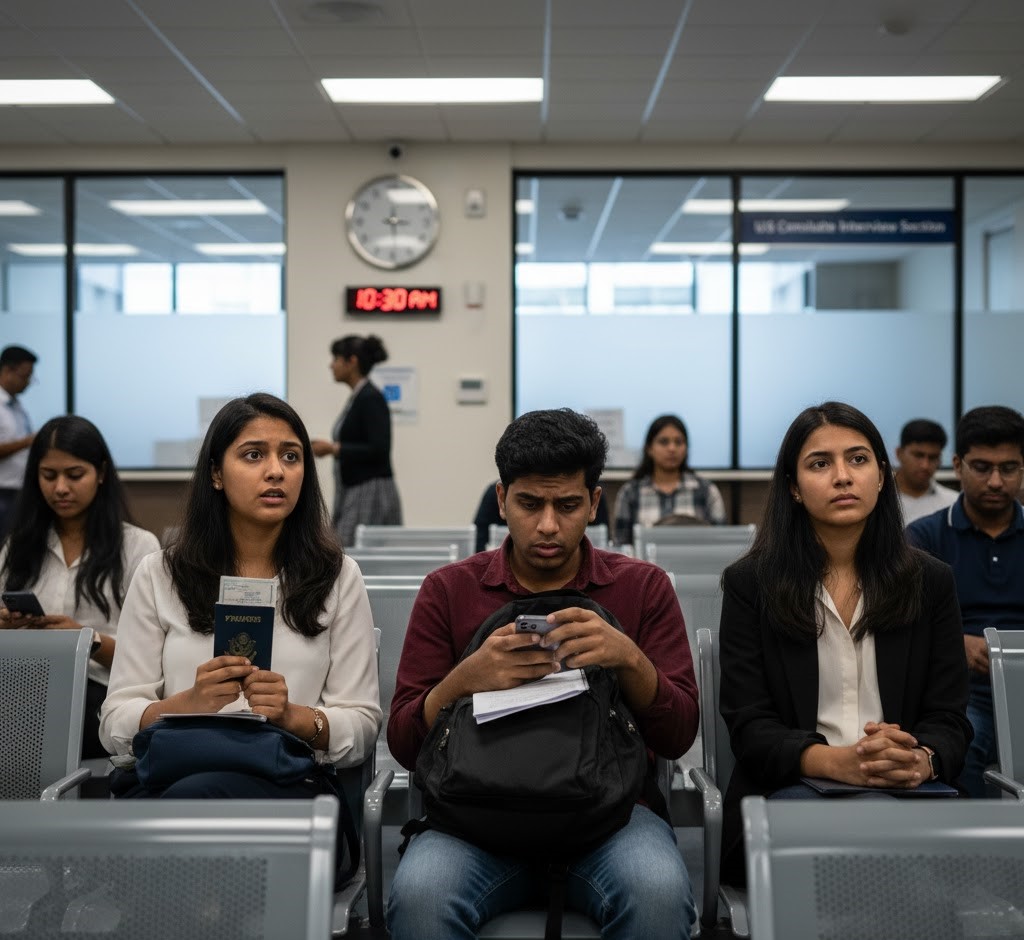
US Student Visa Interview 2025: What South Asian Students Really Feel Before Facing the Consulate
Introduction
Every year, thousands of students from India, Pakistan, Bangladesh, Nepal, and Sri Lanka dream of pursuing higher education in the United States. But before they can set foot on campus, they must cross one nerve-wracking checkpoint — the F-1 visa interview at the U.S.
Consulate.
In 2025, these interviews feel even more intense. With rising visa refusals, stricter financial scrutiny, and high competition for U.S. university seats, South Asian applicants describe the experience as “an emotional roller coaster.” From sleepless nights to family expectations, this moment captures the hopes of an entire journey.
Let’s take a closer look at what students from South Asia actually feel, why the pressure is so high in 2025, and how they can approach the interview with clarity and confidence.
Key Highlights:
- F-1 visa interview duration: 3–5 minutes
- Main focus: finances, intent, course clarity
- Common emotions: anxiety, excitement, pressure
- 2025 trend: stricter scrutiny & higher competition
1. The Emotional Build-Up Before the Interview
1) Hope and Excitement
For many, the visa interview feels like the final gateway to a lifelong dream. You’ve got your admission letter, I-20 form, and all your documents — now, just one 5-minute conversation stands between you and your future in America.
“I couldn’t sleep the night before,” shared Aditi from Mumbai, who got her F-1 approved for New York University. “I kept rehearsing my answers in my head, but also picturing myself walking on campus — that hope kept me going.”
2) Fear and Uncertainty
Excitement often mixes with fear. Students from South Asia frequently describe anxiety about being misunderstood or rejected for unclear reasons.
“I was confident about my course and finances,” says Ahmed from Lahore, “but I still felt nervous. You never know what mood the officer will be in.”
3) The Weight of Family Expectations
Unlike many Western students, South Asian applicants often carry the emotional weight of family investment and sacrifice. Tuition fees are usually covered by parents’ savings, loans, or relatives abroad.
“My father sold some property to fund my studies,” shared a Bangladeshi student in a Reddit forum. “I felt like the whole family’s hopes were resting on me.”
2. What Makes 2025 Feel Different
1) Tighter Scrutiny & Policy Shifts
The U.S. has maintained strong student visa issuance numbers, but interview outcomes vary sharply by region. In 2025, U.S. consulates have been more vigilant about financial authenticity, study plans, and intent to return home. This has left many South Asian students on edge, especially those from tier-2 or tier-3 cities where interview experience is limited.
For official guidelines and latest updates on U.S. student visas, check: Official U.S. Student Visa Portal
2) Peer Pressure on Social Media
Platforms like Instagram, Reddit, and Telegram groups are filled with “Visa Approved” or “Visa Rejected” posts. Students say reading those updates the night before their interview either boosts or crushes their confidence.
“I saw 10 rejections in a row in my group chat,” said Priya, a student from Chennai. “It made me question everything — even though my case was strong.”
For additional tips on navigating the interview, refer: InternationalStudent.com – Visa Tips
3) First-Time Travel Anxiety
For many South Asian students, this is their first time dealing with international formalities — foreign documentation, embassy appointments, biometrics, and interviews. The sense of unfamiliarity adds to the emotional intensity.
Learn more about US student visa application process: Education.com – U.S. Study Visa Info
3. Common Feelings Shared by South Asian Students
| Emotion | What It Feels Like | Why It Happens |
|---|---|---|
| Anxiety | Heart racing before entering the consulate | Fear of rejection, uncertainty of questions |
| Excitement | “I’m finally going to the U.S.!” | Years of preparation coming together |
| Pride | “I made it this far” | Being first in family/community to go abroad |
| Self-Doubt | “Will my accent be a problem?” | Nervousness about communication skills |
| Gratitude | “My family helped me reach here” | Recognition of parental sacrifice |
4. How to Mentally Prepare for the Interview
- ✅ Accept the Nerves — Channel nervous energy into focus.
- ✅ Know Your Story — Explain your journey and goals clearly.
- ✅ Rehearse, But Stay Natural — Avoid robotic answers.
- ✅ Visualize Success — Imagine a smooth, confident interview.
- ✅ Prepare Emotionally for Any Outcome — Reapply if needed, don’t lose hope.
Additional interview insights: US News – Student Visa Guide
5. Voices from the 2025 Interview Season
“The officer smiled and asked about my research plans. I forgot my rehearsed line but spoke from the heart. He said, ‘Your passion shows — visa approved.’ I cried after coming out.” — Nishant, Delhi, 2025
“I was rejected once because my sponsor explanation wasn’t clear. I reapplied with better financial proof and got approved. Don’t lose hope.” — Farah, Karachi, 2025
Frequently Asked Questions (FAQs)
1. Is the US student visa interview difficult in 2025?
The interview is not difficult if you are well-prepared, but it can feel stressful due to strict checks on finances and study intent.
2. What do visa officers check in an F-1 interview?
They mainly check your financial stability, course choice, university details, and your intent to return after studies.
3. How long does the visa interview take?
Most F-1 visa interviews last between 3 to 5 minutes.
4. Why do students get rejected?
Common reasons include unclear financial proof, weak study plans, or lack of confidence during answers.
5. Can I reapply after a visa rejection?
Yes, students can reapply after improving their documentation and addressing previous rejection reasons.
6. Final Thoughts
In 2025, the U.S. visa interview remains one of the most emotionally charged moments in a South Asian student’s study abroad journey. It’s a mix of nerves, pride, fear, and determination.
Read Our Other Helpful Guides
Related Posts


Comments (0)