
The United Kingdom remains a top destination for international students, combining world-class education with vibrant…
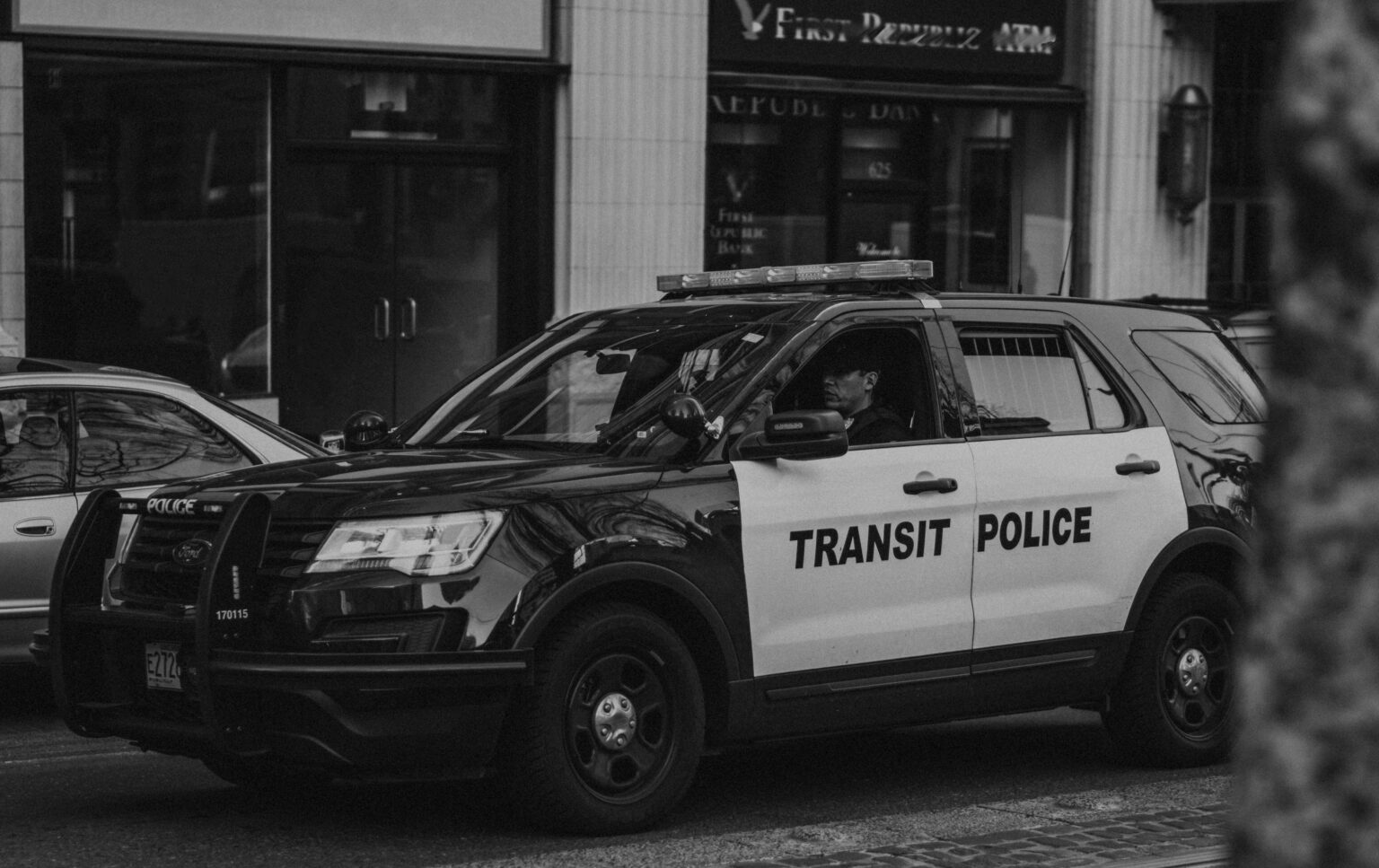
Is the U.S. Still Safe for International Students Under the Trump Administration?
Is the U.S. still a safe learning ground if you’re an international student? In 2025, the answer is increasingly complex. Heightened immigration policies, visa revocations, and political tensions have created an environment of uncertainty—one that could affect your studies, free expression, and sense of security.
1. Rising Visa Revocations & Political Targeting
- The second Trump administration introduced a “catch-and-revoke” visa policy targeting international students with political speech—particularly pro-Palestinian views—and social media activity flagged as “antisemitic.” Between March and May 2025, more than 2,000 student visas were revoked, although court interventions later reversed many Wikipedia.
- A major flashpoint was the arrest of Rümeysa Öztürk, a Turkish Ph.D. student at Tufts University, detained after co-authoring an opinion piece critical of her institution’s policies Wikipedia.
2. A Climate of Suppressed Speech
- At Columbia University, the detention of graduate student Mahmoud Khalil and the revocation of his green card due to political activism sent waves of fear across campus The Guardian.
- Across the U.S., universities have quietly warned international students to avoid activism altogether. The Stanford Daily filed a lawsuit arguing that targeting students for protected speech violates First Amendment rights AP News, TIME, The Washington Post.
3. Institutional Pressures & Budget Cuts
- Several elite universities have faced funding freezes, federal scrutiny, or political backlash. Columbia and Harvard have been pressured for diversity stances while navigating federal oversight The Times of India, The Times, Reuters, The Week.
- Universities are increasingly forced to balance political pressure, financial survival, and international student safety.
4. Student Voices & Real-Life Anxiety
“Constant emails about fear of deportations… general unwelcoming behavior… the situation is definitely more uninviting than when I started.”
— A senior student in Boston
“Do not participate in any activism… your visa status comes with legal restrictions.”
— CAIR Ohio’s warning to F-1 students
5. Travel Concerns & Limited Mobility
- Visa unpredictability and travel risks have increased. Northeastern University warned students against non-essential international travel due to changing red-list country directives.
- Many international students now avoid travel entirely, even missing family emergencies or milestone events.
Bottom Line: Is the U.S. Still Safe?
Context matters. For students focused strictly on academics at institutions without recent political incidents, the U.S. can still be viable. However, the current climate demands heightened caution—especially for students engaged in political discourse or activism.
What Students Can Do Now
| Action | Why It Matters |
|---|---|
| Stay apolitical publicly | Reduces exposure to visa risks linked to speech-based enforcement |
| Monitor university communications | Institutions frequently issue legal or safety advisories |
| Limit and plan travel carefully | Helps avoid re-entry issues or sudden visa complications |
| Know your rights and support systems | Use international offices, legal aid, and consular resources |
Final Thought
The U.S. is still safe for international students—but it is no longer the most predictable option. Physical safety on campus remains strong, and academic opportunities are world-class. However, legal uncertainty, visa pressure, and post-study ambiguity mean students must be more cautious and better prepared than ever before.
For students who value top-tier education and are comfortable navigating policy uncertainty, the U.S. remains a viable choice. But for those prioritizing long-term stability, work rights, and immigration clarity, alternative destinations may offer greater peace of mind in 2025.
Read Our Other Helpful Guides
Related Posts


Comments (0)