
The United Kingdom remains a top destination for international students, combining world-class education with vibrant…
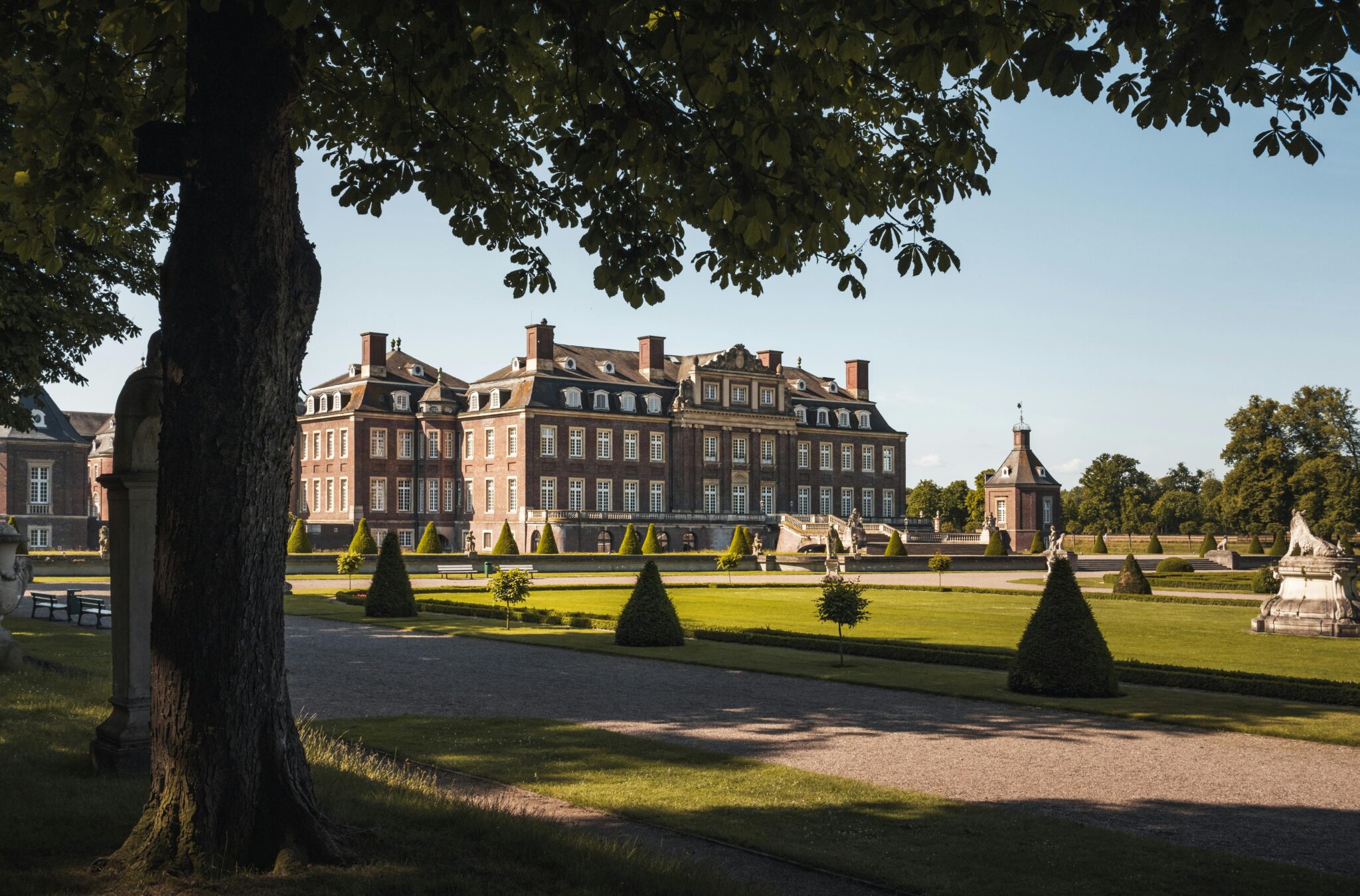
Is Europe Open and Welcoming to International Students in 2025?
Is Europe open for international students in 2025? Yes — and more than ever before. Europe is now one of the most welcoming study-abroad destinations in the world. Affordable education, stable visa rules, and strong post-study work options make it very attractive. In this guide, we explain exactly why global students are choosing Europe in 2025.
🌍 Why Choose Europe for Study Abroad in 2025?
- Tuition fees are much lower than in the USA, UK, and Australia
- Hundreds of programs are fully taught in English
- Most countries offer 12 to 24 months of post-study work rights
- Quality of life, safety, and student support rank among the best globally
- Visa policies are stable, clear, and student-friendly
1. Growth in European Student Mobility
Europe is growing fast as a study-abroad hub. Between 2015 and 2023, global student mobility rose by 25%. In Europe, however, the number jumped by a much higher 58.3% — far above the world average. (The Economic Times)
To illustrate this growth, Germany alone hosted around 469,500 international students in 2023–24. France, similarly, welcomed about 412,000 students in the same year. Both numbers reflect a strong and steady upward trend. (Wikipedia)
2. Key Policies Driving Growth
Several European countries are actively making it easier for global students to arrive and study. Each nation uses its own unique approach to attract international talent.
- France: Through its Bienvenue en France initiative, the government wants to attract 500,000 international students by 2027. To reach this goal, it is expanding scholarships, simplifying visa steps, and improving student housing.
- Germany: Its long-standing tuition-free public university model remains a key draw. Students can earn a high-quality degree without taking on heavy financial debt.
- Ireland: By combining English-taught programs with strong post-study work options, Ireland is targeting 15% international enrollment by 2025.
3. Europe’s Rising Appeal Amid US Policy Changes
Visa uncertainty and enrollment caps are tightening in the United States. As a direct result, many students are now shifting their focus toward Europe instead. Leading European business schools are already seeing higher application volumes, especially from Asia and the Middle East.
On top of that, international mobility experts point out a clear pattern. Students now prefer destinations that offer predictability, affordability, and post-study stability. In all three areas, Europe performs very well compared to other regions.
4. Case Study: India → Europe in Action
The shift toward Europe is clearly visible in India. In Lucknow alone, for example, applications for European universities rose by nearly 40% in 2025. Students said affordability and flexible work options were the main reasons behind this change.
Beyond individual cities, Erasmus Mundus joint-degree programs are also pulling in ambitious applicants. These programs offer funded study mobility across multiple EU countries at the same time, which makes them very appealing for career-focused students.
5. Post-Study Work & Immigration Pathways
One of Europe’s biggest advantages in 2025 is its structured post-study work system. Countries such as Germany, France, Ireland, and the Netherlands let international graduates stay for 12 to 24 months after graduation to search for jobs.
| Country | Post-Study Stay Period | Visa Type |
|---|---|---|
| Germany | 18 months | Job Seeker Visa |
| France | 12 months | APS Post-Study Permit |
| Ireland | 24 months (degree holders) | Third Level Graduate Programme |
| Netherlands | 12 months | Orientation Year Visa (Zoekjaar) |
Once employed, graduates can then move to a long-term residence permit. As a result, Europe becomes a realistic option for career settlement — not just short-term study. According to the European Commission, skill shortages in healthcare, engineering, AI, and sustainability are pushing governments to keep international graduates in the country. (European Commission)
6. Part-Time Work Rights for Students in Europe
Beyond post-study options, most European countries let students work while studying. This is especially useful for covering day-to-day living expenses without relying entirely on savings.
| Country | Part-Time Work Allowed | Full-Time During Holidays |
|---|---|---|
| Germany | 20 hours/week | Yes |
| France | 964 hours/year | Yes |
| Ireland | 20 hours/week | Yes (40 hrs) |
| Netherlands | 16 hours/week | Yes (June–Aug) |
7. Quality of Life and Student Support
Europe pairs academic excellence with a comfortable student lifestyle. Subsidized healthcare, efficient public transport, and inclusive campuses are standard in most countries. Cities like Berlin, Paris, Dublin, Barcelona, and Stockholm consistently rank among the best student cities in the world.
In addition, many universities now offer dedicated integration services and mental health support for international students. Career guidance programs are also widely available. Together, these services make the move to Europe much smoother for first-time international students. (Study in Europe)
8. Scholarships Available for International Students in Europe
Scholarships make studying in Europe even more accessible. Below are some of the most popular options available in 2025:
- Erasmus Mundus Joint Master Degrees: Full funding for study across multiple EU countries
- DAAD Scholarships (Germany): Covers tuition, living costs, and travel for postgraduate students
- Eiffel Scholarship (France): Supports Master’s and PhD students from select countries
- Government of Ireland Scholarship: Full tuition and stipend for outstanding international applicants
- Holland Scholarship (Netherlands): €5,000 one-time grant for non-EU Bachelor’s and Master’s students
9. Balanced Costs Compared to Global Alternatives
While costs vary by country, Europe is significantly more affordable than the USA, UK, or Australia. Public universities in Germany, France, and Spain charge low tuition fees. Scholarships and part-time work rights further reduce the financial pressure for most students.
Recent cost comparisons consistently show that Europe gives a stronger return on investment for international students than most other destinations. (OECD)
📊 Cost of Studying in Europe for International Students 2025
| Country | Avg. Annual Tuition (EUR) | Welcoming Policy Rating (1–10) | Notes |
|---|---|---|---|
| Germany | €0 – €3,000 | 9/10 | Low tuition, strong post-study work options |
| France | €2,770 – €3,770 | 8/10 | Scholarships and housing initiatives |
| Netherlands | €6,000 – €15,000 | 8/10 | Widest range of English-taught programs |
| Ireland | €9,000 – €25,000 | 9/10 | Strong employment pathways, English-speaking |
| Spain | €1,000 – €3,500 | 7/10 | Low cost, warm climate, growing tech sector |
| Sweden | €8,000 – €18,000 | 8/10 | Top research universities, English programs |
🌍 Europe vs Other Study Destinations (2025)
| Destination | Avg. Tuition/Year | Post-Study Work | PR Pathway |
|---|---|---|---|
| Europe (avg.) | €2,000 – €15,000 | 12–24 months | Moderate–Strong |
| USA | $25,000 – $55,000 | OPT-based (12–36 months) | Difficult |
| UK | £15,000 – £30,000 | 2 years | Moderate |
| Australia | €10,000 – €20,000 | 2–4 years | Strong |
| Canada | CAD 15,000 – 35,000 | 1–3 years | Strong |
🎯 Is Europe the Right Choice for You?
Europe is a smart choice if any of the following match your goals:
- You want quality education without extreme tuition fees
- A stable and predictable visa process matters to you
- Post-study work rights and a PR pathway are part of your plan
- Studying in English — outside of the UK or USA — is your preference
- Safety, good public services, and high quality of life are priorities
- Access to multiple countries through one Schengen visa appeals to you
Bottom Line: Is Europe Welcoming in 2025?
Yes — Europe in 2025 is not only open but actively welcoming to international students. Stable visa systems, affordable education, and strong post-study work options are all in place. Quality-of-life indicators are also among the best in the world. For students who want long-term value, academic credibility, and global exposure without extreme financial pressure, Europe is clearly a very smart choice today. (ICEF Monitor)
❓ FAQs: Studying in Europe 2025
Is Europe open for international students in 2025?
Yes. Europe is actively welcoming international students in 2025. Countries like Germany, France, Ireland, and the Netherlands have introduced student-friendly visa policies and post-study work rights. In fact, international student numbers in Europe grew by 58.3% between 2015 and 2023 — much faster than the global average.
Is Europe safe for international students in 2025?
Yes, most European countries offer very safe environments for students. Strong support systems, inclusive campuses, and mental health services are widely available. As a result, most international students feel comfortable and welcomed from the very first day of arrival.
Which European country is best for international students?
Germany, France, Ireland, and the Netherlands are among the top choices. Near-zero tuition fees make Germany very popular. Strong scholarship programs give France a big advantage. Ireland stands out with 24 months of post-study work rights. The Netherlands, meanwhile, leads continental Europe in the number of English-taught programs available.
Is studying in Europe cheaper than the USA or UK?
Yes, by a significant margin. Public universities in Germany charge little to no tuition, even for international students. Living costs in many European cities are also lower than in London, New York, or Sydney. Overall, Europe offers one of the strongest returns on investment for international education in the world.
Can international students work while studying in Europe?
Yes. Most European countries allow part-time work during studies. For instance, Germany permits up to 20 hours per week, while France allows 964 hours per year. Ireland allows 20 hours per week during term time. On top of that, full-time work is permitted during official semester breaks in most countries.
How long can I stay in Europe after graduation?
Stay periods vary by country. Germany offers an 18-month job seeker visa. France gives 12 months through its APS permit. Ireland allows up to 24 months for degree holders. The Netherlands provides the 12-month Orientation Year Visa (Zoekjaar). After securing a job, graduates can then apply for a long-term residence permit.
Do European universities teach in English?
Yes, and the number of English-taught programs keeps growing every year. The Netherlands, Ireland, Germany, and Sweden all have hundreds of fully English-taught programs at the Master’s level. Therefore, not knowing the local language is no longer a barrier to studying in Europe.
What scholarships are available in Europe for international students?
Several strong options exist. Erasmus Mundus provides full funding across multiple EU countries. The DAAD Scholarship in Germany covers tuition, living costs, and travel. France offers the Eiffel Scholarship for Master’s and PhD students. Ireland has a Government Scholarship for high-achieving applicants. Additionally, most universities across Europe offer their own merit-based awards.
Is it easy to get a student visa for Europe?
Yes. Student visa processes across Europe are clear and well-structured. An admission letter, proof of funds, health insurance, and accommodation details are the typical requirements. Both Germany and France have fast-track visa processes for students, which makes the overall experience much smoother compared to other destinations.
Final Insight: Europe in 2025 remains one of the most welcoming destinations for international students. Affordable education, stable visa policies, and strong career opportunities after graduation are all on offer. Whether you want academic excellence, post-study work rights, or a path to permanent residency, Europe has a clear and practical route available for you.
Read Our Other Helpful Guides
Related Posts



Comments (0)