
The United Kingdom remains a top destination for international students, combining world-class education with vibrant…
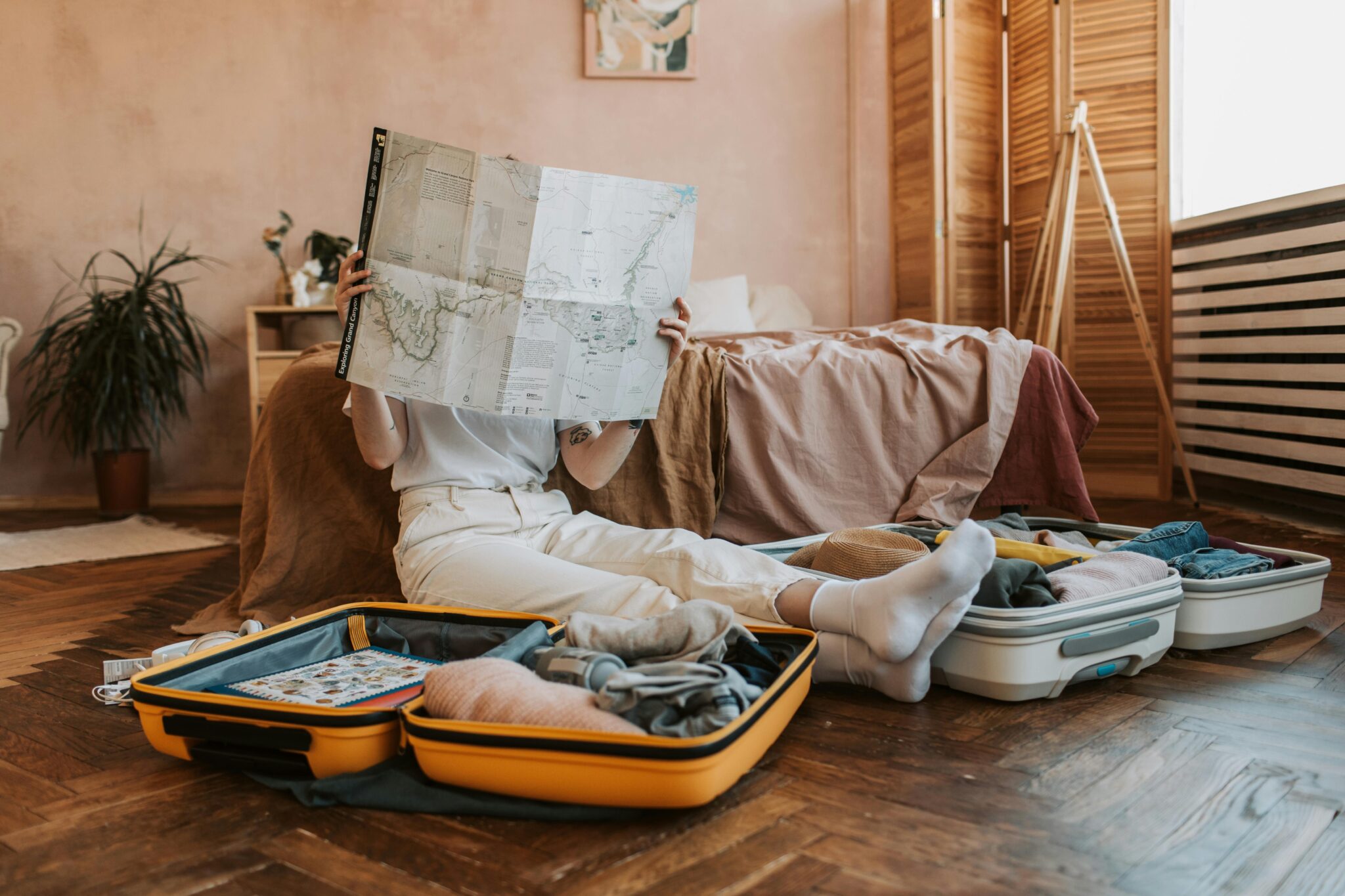
Packing List for International Students: What to Bring & What to Leave Behind (2025 Guide)
Planning to study abroad in 2025? A well-prepared packing list can save you time, money, and stress during your first few weeks in a new country.
Many international students either overpack unnecessary items or forget essential things like documents, adapters, or medicines. This guide provides a complete and practical packing checklist to help you prepare efficiently.
From must-carry essentials to items you should avoid, this guide ensures a smooth transition for students traveling to countries like the USA, UK, Canada, Australia, and Europe.
📊 Quick Packing Checklist
| Category | Must Carry | Optional |
|---|---|---|
| Documents | Passport, Visa, Offer Letter | Extra copies |
| Clothing | Daily wear, light jacket | Traditional wear |
| Electronics | Laptop, charger, adapter | Power bank |
| Kitchen | Basic utensils | Pressure cooker |
✅ Must-Carry Essentials
1. Important Documents (Keep in cabin baggage)
- Passport, visa, offer letter, and I-20/CAS (original & 2–3 copies)
- Academic transcripts and degree certificates
- Proof of accommodation & university correspondence
- Vaccination certificates (COVID, MMR, etc.)
- Health/travel insurance documents
- Passport-size photographs (8–10 copies)
Tip: Keep all originals in a waterproof folder and digital copies in cloud storage. More packing document tips here.
2. Currency & Forex Cards
- USD, GBP, AUD, CAD, or Euro (as per destination)
- International debit/credit card
- Forex card with initial amount loaded
Advice: Carry some cash for immediate expenses on arrival and use a preloaded forex card for safety. Learn more here.
3. Medicines (with prescription)
- Basic meds (paracetamol, anti-allergics, ORS, antacids)
- Prescribed long-term medication
- First-aid kit (band-aids, thermometer, etc.)
Tip: Pack medicines in original boxes with prescriptions. Check import regulations for your destination. Useful reference here.
4. Clothes & Footwear
- Weather-specific clothing (check average temperatures)
- 1–2 sets of traditional wear (for cultural events)
- Comfortable walking shoes & slippers
- Lightweight winter jacket (buy heavy ones abroad)
Pro Tip: Roll clothes to save space and use packing cubes for organization. More packing hacks here.
🌦️ Country-Wise Packing Tips
- USA/Canada: Heavy winters – buy jackets locally
- UK: Rain-friendly clothing and waterproof shoes
- Australia: Light clothing and sun protection
- Germany: Layered clothing for seasonal changes
5. Electronics
- Laptop + charger + universal adapter
- Phone + international SIM card
- Power bank & USB cables
- Earphones or noise-canceling headphones
6. Toiletries (for initial weeks)
- Toothpaste, brush, soap, shampoo, razors
- Nail cutter, deodorant, sanitary products
- Towel, small mirror
7. Kitchen Basics (optional but useful)
- Pressure cooker or instant pot (check voltage)
- Steel plates, spoons, masala box
- Reusable water bottle, tiffin box
💰 How Smart Packing Saves Money
- Avoid buying expensive essentials abroad
- Carry basic medicines to save doctor visits
- Bring universal adapters instead of buying new ones
- Pack only what you need to avoid excess baggage fees
8. Stationery & Study Materials
- Pens, notebooks, sticky notes
- Basic calculator, geometry box
- English dictionary or grammar reference
🧳 How to Manage Baggage Weight
- Check airline baggage allowance before packing
- Use vacuum bags to reduce clothing space
- Keep heavy items in checked baggage
- Carry essentials in cabin luggage
❌ What to Leave Behind
- Heavy winter gear: Buy locally, better suited to the climate
- Large cooking sets: One pressure cooker is enough
- Bulky religious items: Carry small versions if needed
- Too many clothes: Storage space is limited
- Books: Digital versions are easier to carry
🧠 Pro Tips
- Label your luggage clearly and use TSA-approved locks
- Weigh bags in advance to avoid airport penalties
- Pack minimal snacks, avoid carrying perishables
- Roll clothes instead of folding to save space
- Keep a small backpack ready for immediate essentials on arrival
🧭 Bonus: Country-Specific Packing Tips
- 🇺🇸 Study in USA
- 🇬🇧 Study in UK
- 🇨🇦 Study in Canada
- 🇦🇺 Study in Australia
❓ Frequently Asked Questions
What should I pack for studying abroad?
Carry essential documents, clothes, electronics, medicines, and daily-use items.
How many bags are allowed for international students?
Most airlines allow 2 checked bags and 1 cabin bag, but it depends on airline policy.
Should I carry food items?
Carry limited non-perishable snacks and check country restrictions.
Can I buy everything abroad?
Yes, but initial costs can be high, so carry essential items from home.
What should I avoid packing?
Avoid bulky items, heavy winter wear, and unnecessary books.
📌 Why a Smart Packing List Matters in 2025
With increasing travel costs and baggage restrictions, smart packing is more important than ever. A well-planned packing list helps students save money, stay organized, and adjust quickly to a new country.
📚 Related Guides
For additional guidance on managing finances, deadlines, part-time jobs, and scholarships abroad, explore these helpful resources:
- Application Deadlines by Country
- Best Countries for Post-Study Work & PR
- Top Part-Time Jobs Abroad in 2025
- Funding Studies Abroad: Loans & Scholarships
🎯 Final Thoughts
Packing smart is the first step to a successful study abroad journey. Focus on essentials, avoid overpacking, and plan based on your destination’s climate and lifestyle.
A well-prepared packing strategy ensures a stress-free start to your international student life.
Related Posts


Comments (0)