
The United Kingdom remains a top destination for international students, combining world-class education with vibrant…
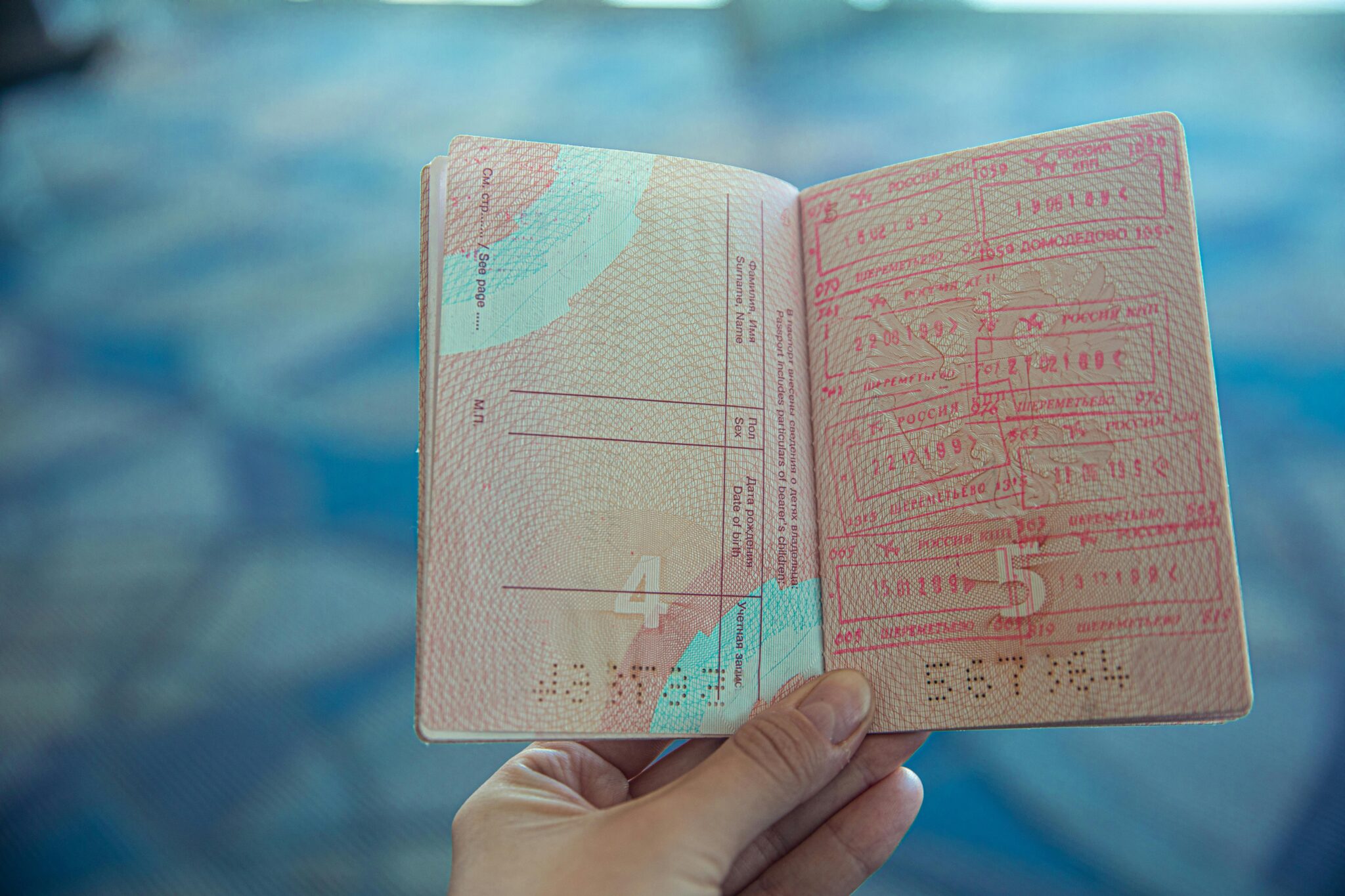
Visa Rejection Trends in the US for South Asian Students: Key Takeaways 2025
Introduction
The United States continues to be one of the most popular study destinations for South Asian students, including India, Pakistan, Bangladesh, Sri Lanka, and Nepal. However, in 2025, there has been a noticeable rise in F1 student visa rejection rates, raising concerns among applicants and parents.
This article provides a detailed breakdown of the latest visa rejection trends, key reasons behind refusals under Section 214(b), and practical strategies to improve your chances of approval.
You can also explore important visa updates and global student policies in these guides:
new rules for international students in the USA 2025, Australia student visa reforms 2025,
and UK student visa rejection trends.
Key Visa Rejection Trends in 2025
-
-
- Higher Scrutiny on Intent & Finances
The US embassies and consulates in South Asia have intensified their scrutiny of student intent, financial documentation, and academic preparedness. Many applicants are being denied under Section 214(b). Learn more about US Student Visa guidelines. - Spike in Rejections from Tier-2 and Tier-3 Cities
Students from smaller towns and cities in India, Bangladesh, and Pakistan have reported higher rejection rates due to documentation credibility issues. - Admissions to Low-Ranked or Unaccredited Institutions
Applications for admission to non-accredited institutions have seen higher rejection rates. Explore how to choose better universities in this guide: study abroad planning tips. - Increased Use of AI Tools by Consulates
AI-driven screening systems are being used to detect fraudulent applications. Students associated with unreliable agents are also being flagged.
- Higher Scrutiny on Intent & Finances
Country Estimated Rejection Rate (2025) India 28–35% Bangladesh 40%+ Pakistan ~30% Nepal ~30%
Top Reasons for Rejection
-
-
- Weak explanation of post-study plans
- Inadequate financial proof
- Lack of English proficiency
- Overdependence on consultants
- Applying to low-approval institutions
-
Impact on Students and Institutions
-
-
- Deferred Admissions: Higher deferral rates due to visa denials.
- Psychological Toll: Increased stress and uncertainty among students.
- University Responses: Some institutions offer deferred scholarships and support.
-
What Students Can Do
✅ Prepare for the Visa Interview Thoroughly
Practice mock interviews and be clear on your goals.✅ Ensure Financial Transparency
Avoid sudden fund transfers. Also read hidden costs of studying abroad.✅ Choose Institutions Wisely
Use official tools like:
👉 Study in the States – SEVP Approved Schools✅ Avoid Blacklisted Agents
Stay in control of your application and avoid fake documentation.✅ Get Second Opinions
Consult experts or alumni before interviews.
Resources and Support
Conclusion
Visa rejections are not the end of your study abroad journey—they are a checkpoint to refine your application, intent, and documents. For South Asian students aiming to study in the USA in 2025, early planning, transparency, and informed decisions can dramatically increase the chances of success. Explore more insights on StudentOrbit360.
Frequently Asked Questions (FAQs)
Why are US student visas getting rejected in 2025?
Most rejections are due to failure to prove non-immigrant intent under Section 214(b), weak financial proof, or inconsistent answers during interviews.
Is it harder for South Asian students to get US visas?
Visa scrutiny has increased, especially in high-volume regions, but genuine applicants with strong profiles still have good approval chances.
Can I reapply after a visa rejection?
Yes, students can reapply after addressing the reasons for rejection and improving their application.
-
Related Posts


Comments (0)