
The United Kingdom remains a top destination for international students, combining world-class education with vibrant…
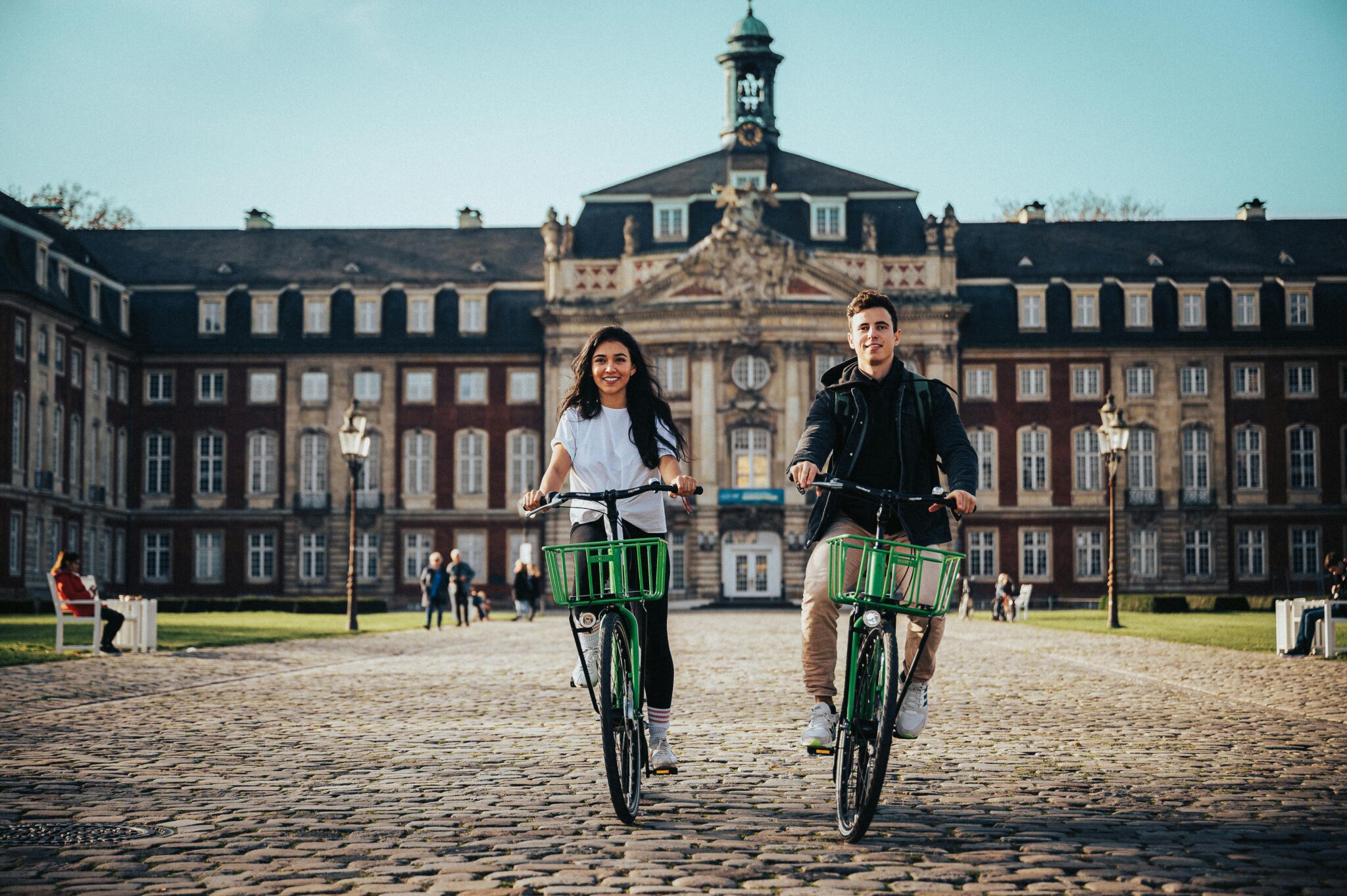
Studying in Germany in 2025: Affordable Education & Rich Cultural Experience
Germany’s tuition-free model is highly attractive, but navigating blocked accounts, language prep, and housing can be challenging. This guide offers practical tips and DAAD-funded opportunities for Indian and African students.
🔗 Link to DAAD and Studierendenwerk housing portals
Germany remains a top choice for students seeking quality education at minimal cost. In 2025, it strengthens its position with world-class universities, strong industry connections, and a culturally rich student experience. Furthermore, students can enjoy affordable living and numerous scholarship opportunities.
Why Students Worldwide Choose Germany
1. Tuition-Free or Low-Cost Education
Public universities in Germany charge very low or no tuition fees. Instead, students pay a semester contribution covering administrative costs, student services, and public transport passes. As a result, Germany is one of the most cost-effective study destinations in Europe.
2. Globally Recognized Universities & Courses
German universities are known for academic excellence and research-driven programs. Popular fields include Engineering, Technology, Computer Science, AI, Business, Natural Sciences, and Social Sciences. Many master’s programs are also offered in English, allowing global access.
DAAD Scholarships & Financial Support
The German Academic Exchange Service (DAAD) provides scholarships for students from India, Africa, and other countries. Additionally, universities and state governments offer merit-based and need-based funding.
- Monthly stipends
- Travel allowances
- Health insurance
- Research & study grants
Blocked Account (Sperrkonto)
Students must open a blocked account to prove financial capability. Key points include:
- Required amount: approx. €11,200 per year
- Monthly withdrawal limits
- Accepted providers include banks and digital platforms
Opening the account early helps avoid visa delays.
Language Preparation & Integration
Even though many programs are in English, learning basic German is recommended. It helps with daily life, internships, and social integration. Most universities offer free or low-cost German courses.
Student Housing & Living Costs
Finding accommodation can be challenging. Students can choose:
- Studierendenwerk dormitories
- Shared apartments (WG)
- Private rentals
Average monthly costs:
- Rent: €250–450
- Food: €150–200
- Transport: Included in semester fee
- Utilities & Internet: €50–80
Overall, students can expect to spend €700–950 per month.
Work Opportunities During & After Studies
Students can work up to 120 full days or 240 half days each year. They can also take on student assistant (HiWi) roles. Germany offers post-study work and job-seeker visas, supporting long-term career growth.
Cultural Experience & Student Life
Germany combines historical cities with modern infrastructure, vibrant cultural festivals, and safe, well-connected campuses. International students also enjoy diverse communities, fostering both academic and personal growth.
Final Thoughts
Germany in 2025 remains an ideal destination for students seeking affordable, high-quality education, strong scholarship support, practical career opportunities, and a rich cultural experience. With careful planning around finances, housing, and language, studying in Germany can be life-changing.
Read Our Other Helpful Guides
- Affordable Private Universities Abroad That Offer Value for Money 2025
- PR-Friendly Countries for International Students: Where to Settle After Graduation 2025
- How to Ace Your Student Visa Interview: Tips & Questions 2025
- Is It Better to Apply Through an Education Agent or Directly to the University in 2025?
Related Posts



Comments (0)